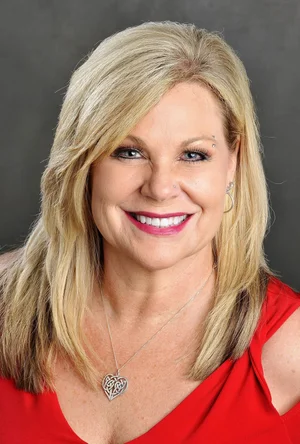
For years, Reiki was offered at Soul Vision by practitioners I trusted and respected. I also experienced Reiki myself a few times, and while I could appreciate the intention and care behind the practice, it simply didn’t resonate with me personally.
My own work was rooted more deeply in Shamanic Practice, intuitive guidance, energy work, and helping people reconnect with their own inner knowing. At the same time, I have always believed in offering people different pathways and practices, because there is no single right way to heal. Healing is deeply individual, and what feels meaningful, powerful, or supportive to one person may feel very different to another.
So whenever someone specifically asked for Reiki, I respected their preference and supported their choice, even while noticing a subtle response inside myself that wondered why I didn’t feel the same connection to the practice.
Over time, I became curious about that response and doing my own deep dive on myself as I typically do as a daily practice.
One thing that became increasingly important for me to understand, and to help others understand, is that Reiki is one form of energy healing, not the beginning of energy work itself. Long before Reiki was developed in Japan in the early 20th century, cultures around the world were working with concepts of life force, spirit, energetic balance, ceremony, and healing in many different ways for thousands of years.
Rather than dismiss Reiki simply because it wasn’t my way of working, I began looking more closely at what Reiki actually is, how it is practiced, and how it compares with the Shamanic Practices that have been such a central part of my own work.
What follows is an exploration of both Reiki and Shamanism - their roots, how they are practiced, where they overlap, and where they differ - so you can better understand these two approaches and notice what may resonate most deeply with you.
Why Reiki Became Commercialized
Standardization & Certification:
The Reiki system most widely recognized today developed from the work of Mikao Usui in Japan in the early 20th century. Usui created a method of teaching and practice that included different levels of learning, and later teachers continued to adapt and organize the system as Reiki spread beyond Japan and eventually throughout the West.
One reason Reiki became so accessible is that it could be taught within a recognizable structure. Students could learn foundational practices, receive attunements, progress through different levels of study, and eventually become practitioners or teachers themselves.
This is somewhat different from many of the traditions I have studied, where learning may unfold through longer relationships with teachers, apprenticeship, ceremony, community participation, and lived experience rather than through a standardized certification process.
Neither approach is inherently better. They simply reflect different ways that healing knowledge can be taught, transmitted, and carried forward.
Accessibility & Adaptability:
One reason Reiki has become so widely practiced is its accessibility. It does not require specialized equipment or a particular physical setting, and its basic practices can be introduced through a structured course of study.
Reiki can also be practiced with the hands held above the body, depending on the practitioner, setting, and preference of the person receiving it. This flexibility has helped Reiki find a place in a variety of wellness environments and, in some cases, alongside conventional medical care.
Its adaptability is one of its strengths. People from many different backgrounds can encounter Reiki without first needing extensive familiarity with a particular spiritual or cultural tradition.
Integration into Modern Wellness:
As holistic health became more mainstream and seen as helpful, Reiki was increasingly packaged and marketed alongside yoga, meditation, massage, and other wellness practices associated with relaxation, self-care, and stress reduction.
Its flexibility made it easy to incorporate into spas, wellness centers, private practices, and some healthcare settings. Over time, Reiki became not only a spiritual or energetic practice, but also a recognizable service that could be scheduled, priced, certified, and promoted within the modern wellness economy.
That wider visibility helped introduce many people to the idea of energy healing. At the same time, I think it is important to remember that Reiki is one system of energy-based healing, not the beginning of energy work itself. Human beings have worked with concepts of life force, spirit, energetic balance, ceremony, and healing for thousands of years across many cultures and traditions.
If you are considering Reiki or any form of energy healing, I encourage you to ask your practitioner about their training, teachers, experience, and the traditions that have influenced their work. Certification can tell you that someone completed a particular course of study, but it does not tell you everything about the depth of their experience or how they hold the work.
For me, education is not about deciding which modality is “right.” It is about having enough information to make a discerning choice about who you want to work with and what approach feels most aligned with you.
Why Many Ancient Healing Traditions Have Not Been Commercialized
Initiation & Lineage Protection:
Many indigenous healing systems require a deep apprenticeship, initiation, or the transmission of sacred knowledge through a lineage. This makes the practice harder to standardize or and can not be taught in a weekend course.
Traditional healers often undergo years or decades of training under a mentor and are not permitted to sell their knowledge to outsiders. This has been something in my community that has been a discussion - especially to keep offering these healings for free. Most Shamanic teachers have bills to pay due to living in the staes. Many indigenous practitioners are offering trainings and teachings to bing the ancient wisdom and healing practices to the urban community because they have witnessed deep transformation and healing. My teachers here in the staes have required currentsea for the teachings and apprenticeships that I have been happy to pay.
Sacred Reciprocity vs. Capitalism:
Many traditional healing practices operate on principles of reciprocity, where healing is exchanged through offerings, service, or barter rather than a set financial price. This has sparked discussions within my community because, while we strive to avoid capitalist frameworks, we still have bills to pay. As an urban practitioner committed to bringing healing to my community, the barter system often falls short in covering the necessary overhead costs to keep a healing center open and accessible.
Soul Vision operates with a primary focus on healing and transformation, guided by heart-centered and respectful practices that honor ancient traditions. In today's 21st-century reality, there's a growing need for accessible knowledge and healing, especially here in Long Beach, CA, where maintaining services incurs necessary overhead costs. We strive to keep our services affordable while upholding a commitment to 'DO NO HARM' both to ourselves and to those we support and hold space for.
Cultural Lineage, Respect, and Responsibility:
My own work has become eclectic because I have had the privilege of learning through teaching, relationship, ceremony, and apprenticeship across several cultural and spiritual traditions, including Lakota, Mexican, African, Native American, and Celtic traditions.
I do not view these traditions as techniques to collect. Each carries its own history, worldview, practices, responsibilities, and ways of understanding healing. I hold deep respect for the people, teachers, elders, and communities who have been willing to share their knowledge with me.
I am also aware that many Indigenous and culturally rooted healing traditions have been affected by colonization, suppression, exploitation, and cultural appropriation. Because of that history, not every practice is meant to be shared freely or removed from the culture and context that gave it meaning.
My experience has been one of being welcomed and taught by people who chose to share their traditions with me. I receive that as a responsibility, not an entitlement.
What I offer today reflects many years of learning across different traditions, while also being shaped by my own intuitive relationship with healing, spirituality, energy, and the individual sitting in front of me.
Professional and Ethical Considerations:
For many years, I practiced as a licensed Marriage and Family Therapist. Because I was working within a regulated mental-health profession, I was very mindful of the distinction between psychotherapy and the spiritual, intuitive, and energy-based practices that were also becoming an important part of my own life and understanding of healing.
I did not want to blur those roles or present Shamanic Practice, energy work, or other spiritual approaches as psychotherapy.
Today, my work is different. I no longer practice psychotherapy or represent myself as a licensed therapist. My work is centered in Holistic and Spiritual Guidance, Shamanic Practice, intuitive work, energy healing, and helping people explore the practices that support their own individual journey.
That distinction matters to me. There is no single method that is right for everyone, and I do not believe healing belongs exclusively to one profession, tradition, or approach. My role is not to tell someone which path they should follow, but to offer education, experiences, and guidance that can help them discover what genuinely resonates with them.
The Double-Edged Sword of Reiki’s Popularity
Reiki’s popularity has helped introduce many people to energy healing who may never have explored it otherwise. In that sense, its visibility has opened doors and made conversations about subtle energy, intuition, and holistic healing more accessible.
At the same time, popularity can sometimes come at a cost. As Reiki has become more commercialized, there are now widely varying approaches to training, certification, depth of study, and preparation.
That does not mean that one path is automatically more authentic than another, but it does invite discernment.
For me, the question is less about how quickly someone was certified or how much they paid, and more about the depth of their relationship to the practice, their integrity, their presence, and the way they hold responsibility for the people who come to them.
This is true not only of Reiki, but of many healing traditions. When a practice becomes widely available, accessibility can be a gift, and still, depth, humility, and respect for the lineage still matter.
What Ancient Healing Traditions Ask of Us
Ancient healing traditions have survived because they have been carried through storytelling, relationship, ritual, teaching, community, and lived experience.
As these practices become more visible in modern wellness culture, I believe the responsibility is to make them more available, and to approach them with respect for where they came from and for the people who have carried them forward.
For me, that means continuing to learn, remaining humble about what I know and what I do not know, honoring the teachers and traditions that have shaped me, and allowing my work to remain alive rather than rigid.
My practice today is eclectic because my path has been eclectic. I have learned across traditions, cultures, spiritual practices, and healing modalities, and I continue to integrate what resonates while respecting the distinct roots of each one.
Final thoughts . . .
Exploring Reiki alongside Shamanic Practice has reminded me that healing traditions can look very different from one another, and that difference does not make one inherently better than another.
My own path has led me more deeply into Shamanic Practice, intuitive guidance, energy healing, and the many traditions I have been fortunate to study and apprentice within. These are the practices that resonate most strongly with me and have shaped the way I support others.
What matters most to me is depth, integrity, respect for lineage, and helping each person discover what genuinely resonates for them.
I also believe healing work can be both sacred and sustainable. Charging for our time, training, presence, and experience does not diminish the integrity of the work. Reciprocity has always been part of healing traditions, and today money is simply one form that exchange may take.
There is no single right way to heal. My hope is that we remain curious, discerning, respectful, and willing to listen deeply to what supports our own individual healing journey. I hope this information has supported your own education and discernment as you explore what feels right for you.